1 hr 30 min
Brunello Wine Tasting & Tuscan Lunch at Medieval Castle
Discover Montalcino's legendary wines at a historic castle with guided vineyard tour, three-wine tasting, and authentic three-course meal
Reserve
Hand-picked by our editors — only the best 5 experiences from 140 reviewed.
Verified partners for every tour, free cancellation where available, and instant confirmation on every booking.
1 hr 30 min
Discover Montalcino's legendary wines at a historic castle with guided vineyard tour, three-wine tasting, and authentic three-course meal
Reserve
9 hr
Full-day journey through Montalcino's wine country with three estate visits, tastings, and lunch
Reserve
10 hr
Discover Tuscany's golden valleys, hilltop villages, and legendary wines on a full-day journey from Siena.
ReservePrices from verified partners. Availability updates in real time at checkout. Free cancellation policies apply where shown.
The landmarks, rooms, and views travelers on this tour remember — all visible on a single visit.
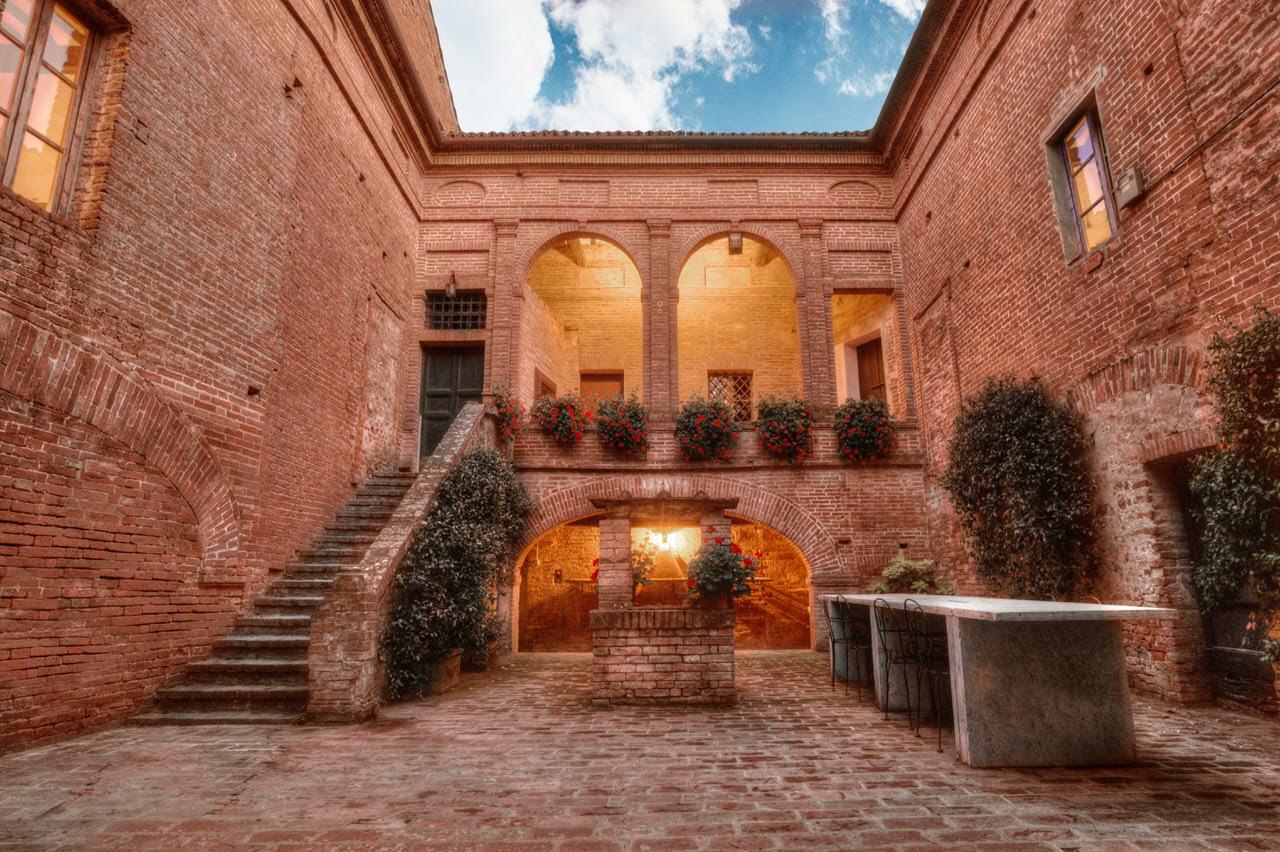
This 14th-century fortress offers panoramic views of the Val d'Orcia and a central enoteca for regional tastings.
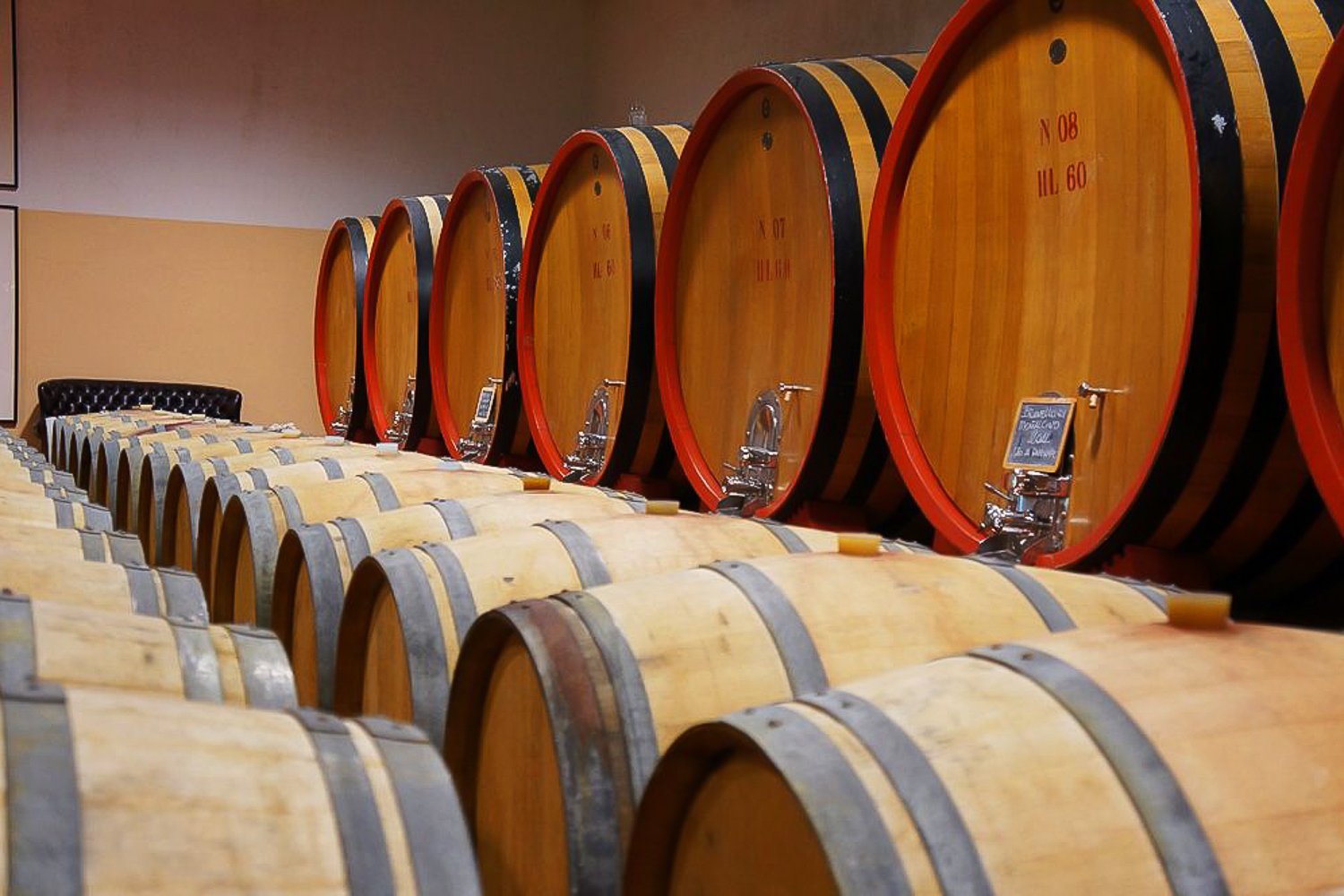
Discover the traditional aging process where Sangiovese Grosso wine matures in Slavonian oak barrels for years.
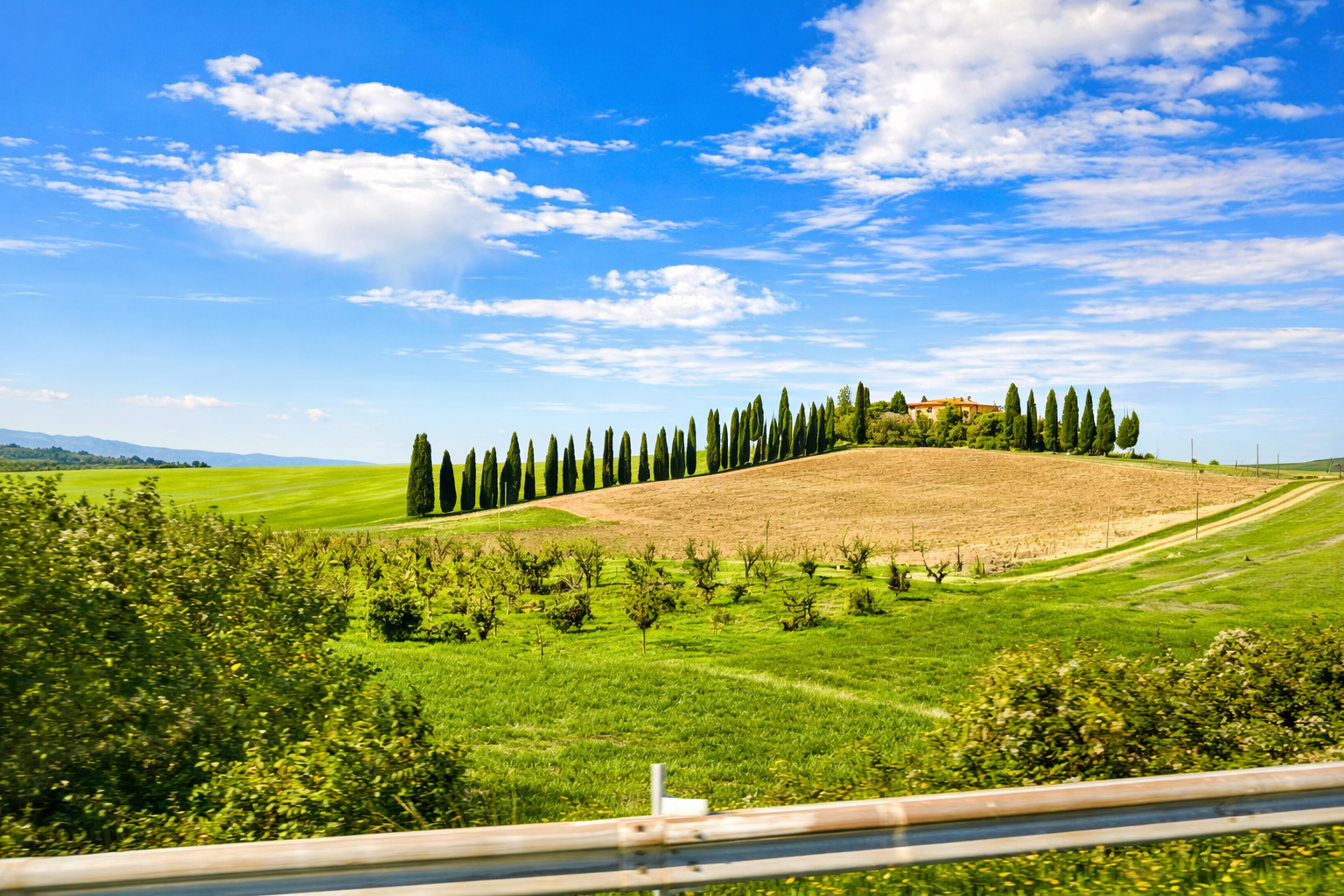
Walk through the organic Sangiovese vineyards that define the unique terroir of this UNESCO-recognized region.
Explore specialized production areas like the Balsameria, often found on historic estates producing traditional balsamic vinegars.
Experience private tastings of vintage Brunello labels in rooms that often date back centuries.
They complement each other; most visitors who do both call Montalcino the more intense experience for those seeking deep, structured red wines. A brunello di montalcino wine tasting tour provides a distinct sensory profile compared to its neighbor.
| Feature | Top pick Montalcino | Montepulciano |
|---|---|---|
Flavor Profile |
Full-bodied and powerful | Elegant with balanced acidity |
Aging Requirements |
Minimum 2 years oak aging | Minimum 1 year oak aging |
Cellar Atmosphere |
Historic, rustic stone vaults | Deep, cathedral-like underground tunnels |
Accessibility from Siena |
60-minute drive | 75-minute drive |
Village Vibe |
Quiet, hilltop fortress charm | Renaissance architecture, steeper streets |
| See tickets → |
Verdict: Choose the brunello di montalcino wine tasting experience if you prioritize complex, long-lived Sangiovese Grosso, whereas Montepulciano offers more accessible, approachable labels for casual brunello di montalcino wine tasting tours or those seeking formal brunello di montalcino wine tasting tickets.
Choose your ticket, select your date, and reserve in under two minutes. Secure checkout handled by our verified partner.
Instant confirmation by email, with a mobile voucher you can save offline. No printing, no queuing at a collection desk.
Arrive at the entrance, show your voucher on your phone, and walk in. Most tickets include priority or skip-the-line access.
Practical details for your visit straight from our verified partners — hours, access, rules, and how to get there.
Smart-casual attire is recommended for your brunello di montalcino wine tasting. Wear comfortable walking shoes, as vineyards often have uneven gravel paths.
Keep belongings compact. Many estates have limited space for large luggage, so leave excess items at your accommodation.
Photography is generally permitted in vineyards and cellars unless specified by the host. Please be respectful of private equipment and other guests during your brunello di montalcino wine tasting tour.
Accessibility depends on the historic nature of the cellar. Please confirm specific mobility needs with the estate when booking your brunello di montalcino wine tasting tickets.
Family-friendly experiences are available, though wine-focused tours are typically best for adults. Check individual winery policies regarding age restrictions.
Many brunello di montalcino wine tasting tours include local snacks, cured meats, or full lunches. External food is typically not permitted in production areas.
Best time to go, insider tips, nearby landmarks, and the cancellation fine print — flip through to skim what matters to you.
Flexible, no hidden fees.
Policies vary by estate. Standard practice allows full refunds if canceled at least 24–48 hours in advance.
Brunello was born from a mistake that turned out to be right. In the 1860s, Clemente Santi and his grandson Ferruccio Biondi-Santi isolated a single clone of Sangiovese — Sangiovese Grosso, later called Brunello, the "little dark one" — and vinified it alone, at a time when every Tuscan red was a field blend softened with white grapes. The 1888 vintage was aged for a decade in oak. It was still drinking in the 1970s. The denomination that followed is small and strict. Montalcino's vineyards cover roughly 2,100 hectares within a single comune, and only around 250 producers hold the DOCG. The rules are severe: 100 percent Sangiovese, minimum two years in oak, a total of five years before release — six for Riserva. A bottle labelled 2021 reaches the market in 2026. This is why a brunello di montalcino wine tasting rarely pours anything young, and why vertical flights across three decades are common in the better cellars. Geography does the rest. The town sits at 564 metres on a triangular ridge, dry and windswept, sheltered from the sea by Monte Amiata to the south. Soils shift over short distances — galestro schist and limestone on the northern slopes, heavier clay and marine sediment toward Sant'Angelo in Colle — producing wines of markedly different weight from estates a few kilometres apart. Montalcino receives less rain than almost anywhere in Tuscany. Drought years, once feared, now define the style. The fortress at the summit, built in 1361 after Siena absorbed the town, houses an enoteca inside its pentagonal walls; it was the last Sienese redoubt to fall to Florence in 1559. Below the ramparts the Val d'Orcia opens out, a UNESCO World Heritage cultural landscape of cypress lines, wheat, and the abbey of Sant'Antimo, founded in Carolingian times and rebuilt in French Romanesque style around 1118. Many Montalcino winery tours pair the abbey with a cellar visit. What sets the region apart today is scale. Estates remain family-held and production is capped by law, so a brunello di montalcino wine tasting tour usually means a working fattoria rather than a visitor centre — barrel rooms of Slavonian botti, a barrique cellar, a table with bread and pecorino. Rosso di Montalcino, the younger sibling introduced in 1983, is almost always poured alongside. Entry to the town and its enotecas is free; the wine, patiently, is not.

"A bottle labelled 2021 reaches the market in 2026 — patience is written into the law here."
A step-by-step walkthrough of the visit — what you'll see, how long each stage takes, and the details that matter.
You arrive between 09:00 and 11:00, before the heat settles on the ridge and before the coaches reach the popular estates. Park below the walls and climb to the fortress. Entry to the town costs nothing; the enotecas open at 09:00 and stay open until 19:00, seven days a week. Most booked experiences collect you in Siena or Florence and drive south through the Val d'Orcia — vine rows, then wheat, then the long cypress avenues. At the estate a cellar hand takes you underground. You pass the stainless steel, then the Slavonian botti, ten or twenty hectolitres each, chalked with vintage and vineyard. The temperature drops. You learn why the fruit sits here for at least two years before anyone considers bottling it. Then the tasting. You start with Rosso di Montalcino, move to a current-release Brunello, and finish on a Riserva, swirling each against white paper to read the garnet rim. Lunch follows at a medieval castle or the estate's own table: pici, pecorino di Pienza, olive oil pressed on site. A brunello di montalcino wine tasting rewards a slow afternoon, so ask for the older vintage if it is open. Back in town by late afternoon, you walk the ramparts. The Val d'Orcia goes gold. Buy the bottle you liked; shipping is usually arranged at the cellar door. Individual estate tastings run from 15 to 120 EUR — check what your booked itinerary already includes before you pay twice.
Most wine estates in Montalcino operate between 09:00–19:00. Please confirm specific appointment slots directly with the winery.
Town access is free, but individual brunello di montalcino wine tasting fees range from 15 to 120 EUR depending on the estate and experience.
The best arrival window is 09:00–11:00 to avoid crowds. Spring and early autumn provide the most comfortable weather for vineyard visits.
Yes, you can secure brunello di montalcino wine tasting tickets via official winery websites or trusted local tour operators.
While children are often welcome, brunello di montalcino wine tasting is centered on alcohol consumption and typically requires guests to be of legal drinking age.
Wear smart-casual attire and comfortable, closed-toe walking shoes to navigate the cellars and vineyard terrain during your tour.
Yes, you are encouraged to take photos of the scenic estates, provided you do not disrupt the production process or other guests.
Typically, no. Most brunello di montalcino wine tasting experiences include curated local pairings or meals designed by the estate.
You can reach Montalcino by car or via public transit through Buonconvento. A car is recommended for visiting multiple wineries efficiently.